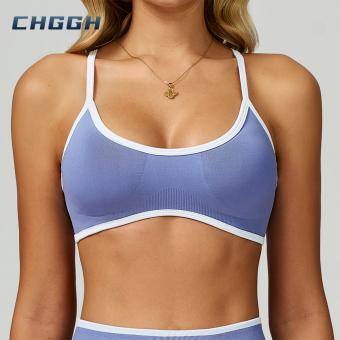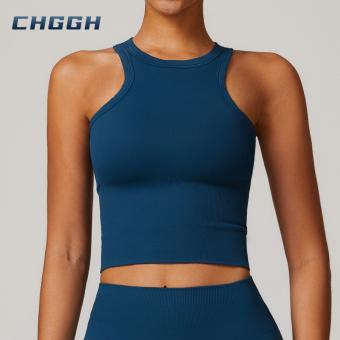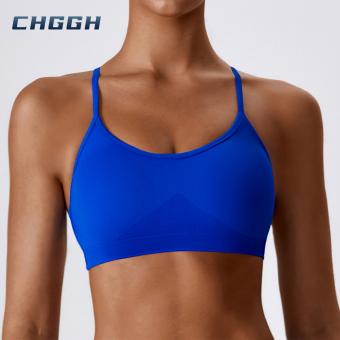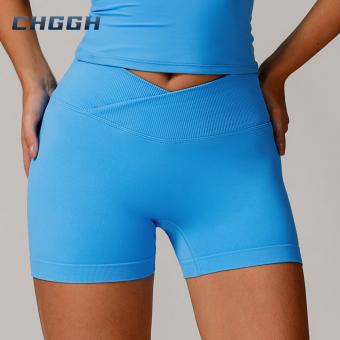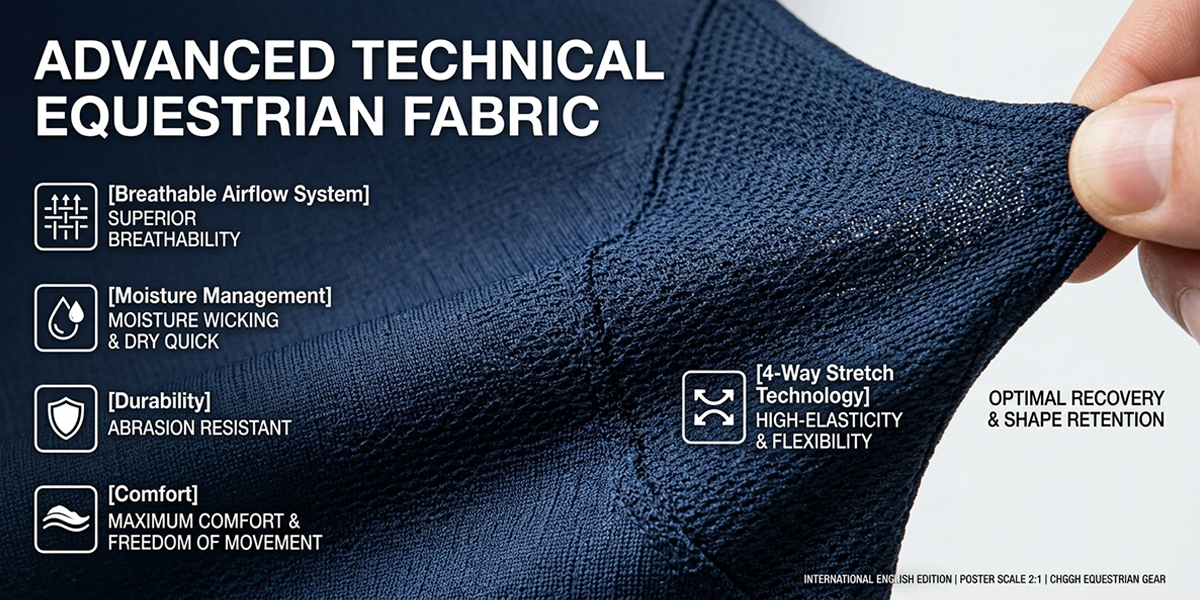
As equestrian sports continue to evolve globally, riders are placing increasing importance on apparel that delivers not only refined aesthetics, but also technical performance and long-term durability.
In markets such as Europe, the United Kingdom, the United States, and Australia, modern equestrian wear is expected to perform across multiple conditions — from intensive riding sessions to stable work and outdoor training environments.
Behind every high-quality riding garment lies a carefully engineered fabric system designed to balance comfort, flexibility, breathability, and abrasion resistance.
Equestrian apparel operates under unique physical demands. Riders require garments that can:
- Stretch naturally with body movement
- Maintain structure during repeated riding motion
- Resist friction against saddles and equipment
- Provide comfort across varying weather conditions
For this reason, equestrian fabrics are typically developed using technical fibre blends and specialised finishing processes rather than conventional fashion textiles.
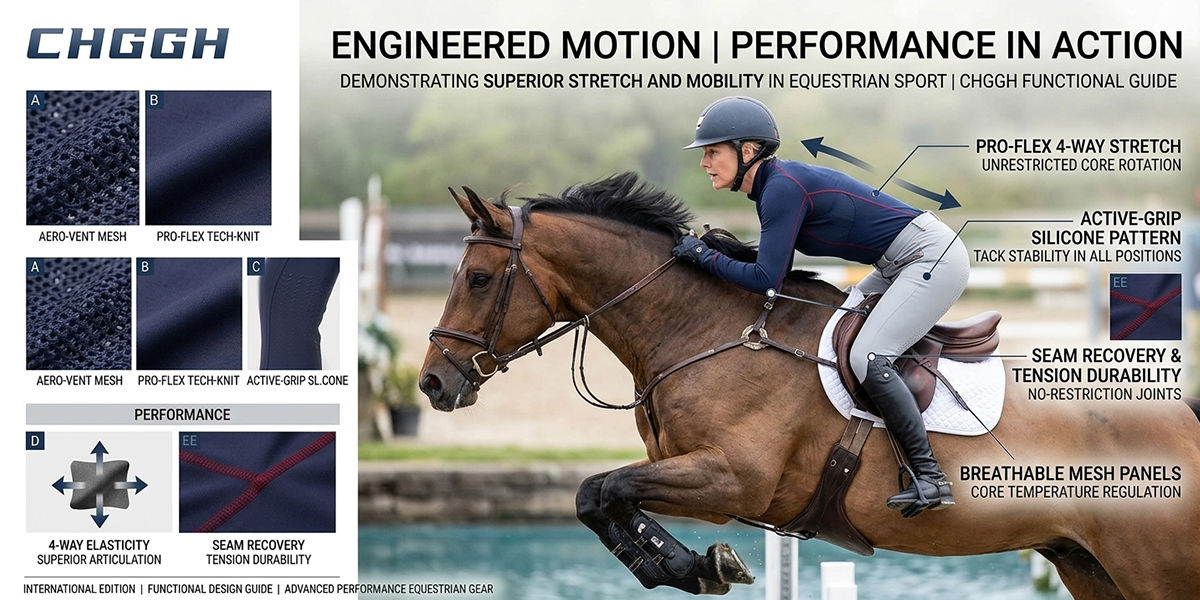
Most performance riding garments utilise nylon/spandex or polyester/spandex blends to achieve four-way stretch capability.
This allows the fabric to:
- Move freely with the rider
- Improve comfort during extended riding sessions
- Maintain a close, tailored silhouette without restricting motion
High-recovery stretch fibres also help garments retain shape after repeated use and washing.
Equestrian training often involves long hours of physical activity. Technical riding fabrics are engineered with:
- Moisture-wicking yarns
- Quick-dry surface treatments
- Breathable knit structures
These features help regulate body temperature and reduce discomfort caused by perspiration accumulation.
One of the most important requirements in equestrian apparel is resistance to wear.
To improve durability, fabrics may undergo:
- High-density knitting or weaving
- Anti-abrasion finishing
- Reinforced seat and knee panel construction
This helps reduce fabric damage caused by repeated contact with saddles and riding equipment.
Many modern riding leggings and breeches incorporate light compression technology, helping support muscle stability and improve comfort during movement.
Strategically engineered compression zones can also contribute to:
- Better fit retention
- Reduced muscle fatigue perception
- Enhanced body contouring appearance
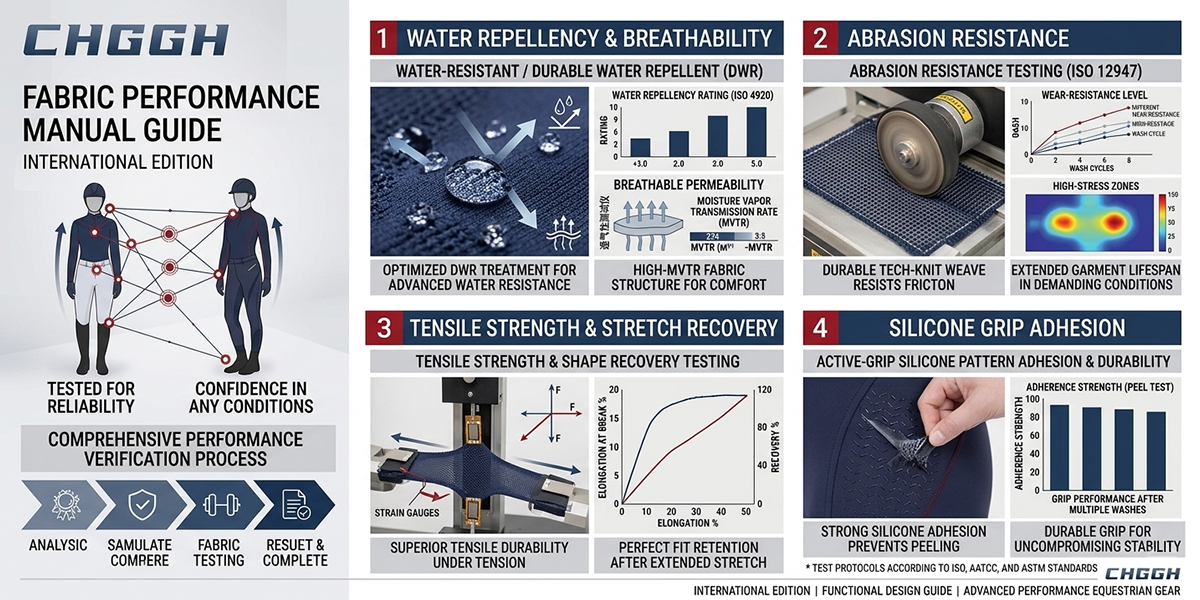
To enhance functionality, premium equestrian fabrics may include additional treatments such as:
Protect riders from light rain and moisture exposure without compromising breathability.
Helps shield the skin during outdoor riding sessions.
Improve wearing comfort while maintaining a refined fabric hand feel.
Commonly applied to riding tights and breeches to improve saddle grip and stability.
Sustainability is becoming increasingly important within the global equestrian market. Many brands are now exploring:
- Recycled nylon and polyester
- Eco-friendly dyeing processes
- Reduced-water finishing technologies
This reflects a broader industry movement toward responsible production without sacrificing technical performance.
Modern equestrian apparel has evolved far beyond traditional riding garments. Today’s riders expect clothing that combines:
- Technical functionality
- Tailored aesthetics
- Long-lasting durability
- Everyday comfort
As fabric engineering continues to advance, equestrian wear is becoming a specialised category where textile innovation plays a defining role in rider performance and brand value.

ملابس نشطة ، ملابس يوجا ، ملابس رياضية ، الشركة المصنعة لملابس اللياقة البدنية
 شبكة IPv6 مدعومة